
Trying to create intricate nail designs with the wrong tools can quickly turn a fun beauty routine into a frustrating experience. The right brush for nail art is essential for achieving clean lines, detailed patterns, and professional-looking results. Whether you’re a seasoned nail artist or experimenting at home, having the perfect brush can make all the difference in bringing your creative visions to life.
From fine detail brushes to versatile acrylic nail art brushes, understanding your options ensures you pick tools that match your style and technique. This guide will walk you through everything you need to know to choose and use the best brush for nail art, transforming your manicure game one stroke at a time.
In this article:
- Understanding Different Types of Brushes for Nail Art
- How to Choose the Best Brush for Nail Art
- Essential Techniques Using a Brush for Nail Art
- Caring for Your Brush for Nail Art to Ensure Longevity
- Enhancing Your Nail Art with Complementary Tools
Understanding Different Types of Brushes for Nail Art
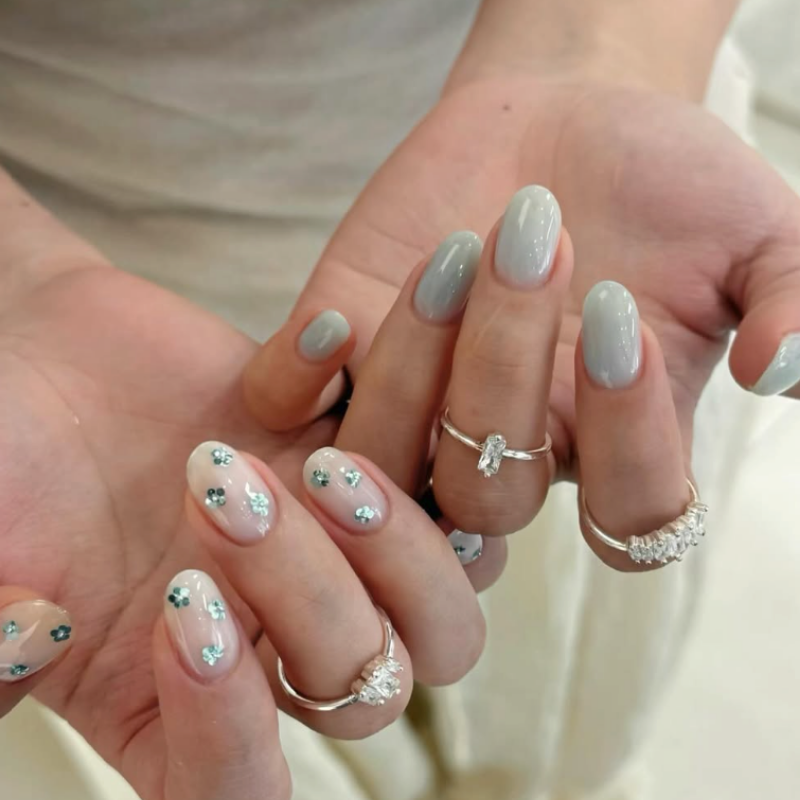
Nail art brushes come in a variety of shapes and sizes, each designed to create specific effects. Flat brushes are great for covering larger areas or creating gradient effects, while detail brushes — often called fine detail nail brushes — help craft intricate designs like florals and tiny dots. Fan brushes offer a unique way to blend colors or add glitter with precision.
Choosing the right brush starts with knowing your design goals. If you enjoy delicate line work, investing in a detail brush is a must. Conversely, for bold color blocks, a flat or angled brush will save time and provide smoother application. Many artists keep a mix of sizes on hand to adapt to different projects.
Materials also matter: synthetic brushes hold their shape well and work beautifully with acrylics, whereas sable hair brushes tend to offer superior flexibility and softness. Experimenting with various types can reveal your personal favorites and elevate your nail art skills.
How to Choose the Best Brush for Nail Art
Selecting the best brush for nail art depends on your skill level, preferred medium, and the complexity of your designs. Beginners often find synthetic brushes easier to maintain and more affordable, while professionals may lean toward natural hair brushes for their softness and precision.
Size matters too; smaller brushes allow for detailed designs but require steady hands, while larger brushes speed up the base coat and gradient processes. Consider also the handle length and thickness, as ergonomic grips can reduce hand fatigue during long painting sessions.
Quality is key: a high-quality brush will maintain its shape over time, resist shedding, and provide a smooth application. Reading reviews and testing brushes in-store can help find the ideal tool that complements your nail art style perfectly.
Essential Techniques Using a Brush for Nail Art
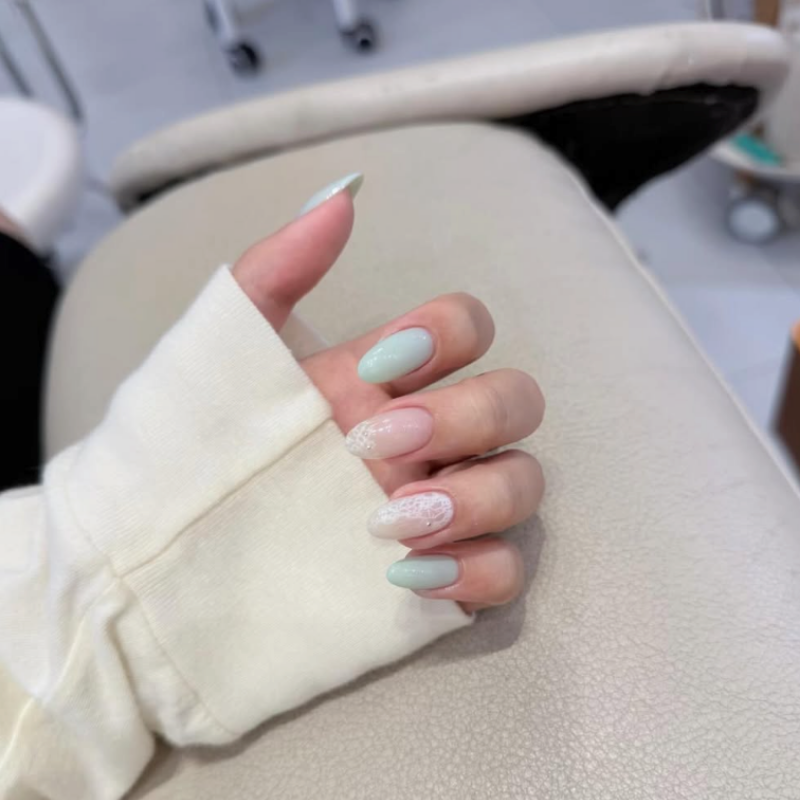
Mastering your brush for nail art goes beyond simply picking the right one; technique plays a crucial role. Basic strokes like lines, dots, and swirls form the foundation of most designs. For example, using the tip of a fine detail brush allows you to create delicate patterns or lettering with control.
Layering colors with a flat brush can add depth and dimension, especially when combined with other nail art products like 3d Nail Art Gel. Incorporating different brush strokes can create textures that make your manicure stand out from the crowd.
Practice and patience build confidence. Starting with simple designs and gradually advancing to complex swirls or abstract art helps you harness your brush’s full potential and explore endless creative possibilities.
Caring for Your Brush for Nail Art to Ensure Longevity
Proper brush care extends the life of your nail art tools and maintains their performance. After each use, clean your brush thoroughly with a brush cleaner or acetone to remove polish residue, preventing bristle damage and buildup.
Store brushes flat or with the bristles pointing upward to avoid distortion. Avoid soaking the entire brush in liquid for extended periods, as this can loosen the glue and cause shedding. Regular maintenance preserves the brush’s shape and ensures smooth application every time.
Investing a few minutes into care routines protects your brushes and saves money long-term, allowing you to focus on perfecting your nail art instead of replacing worn-out tools.
Enhancing Your Nail Art with Complementary Tools
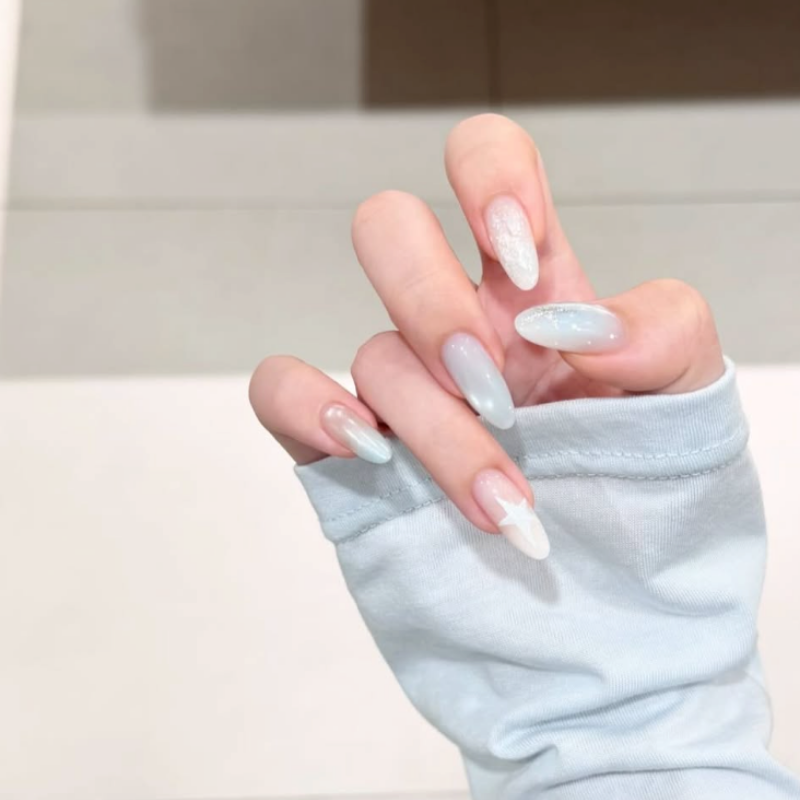
While the brush for nail art is the centerpiece, combining it with other tools amplifies your creative options. For example, pairing brushes with a design nail art pen enables precision for tiny accents and lettering. Similarly, incorporating 3d Nail Art Gel adds texture that brushes can help shape and refine.
Using tape for nail art or water decal nail art alongside brushes can create crisp lines and effortless designs that would otherwise be tricky. These combinations not only save time but also open doors to professional-quality manicures at home or in salons.
Experimenting with layering and mixing products emphasizes how a quality brush for nail art integrates seamlessly into a full toolkit for stunning, lasting results.
Frequently Asked Questions
What is the best brush for intricate nail art designs?
The best brush for intricate nail art designs is typically a fine detail nail brush. These brushes have thin, precise bristles that allow for delicate strokes, tiny dots, and detailed patterns. Natural hair brushes often provide better control, but high-quality synthetic options are great for beginners and acrylic work.
How do I clean and maintain my nail art brushes?
Clean your nail art brushes immediately after use with acetone or brush cleaner to remove polish or gel residue. Avoid soaking the handle, and store brushes flat or bristle-up to maintain shape and prevent damage. Regular cleaning keeps bristles soft and prolongs the lifespan of your brushes.
Can I use one brush for both acrylic and gel nails?
While some brushes can work for both acrylic and gel nails, it’s best to have dedicated brushes for each. Acrylic nail art brushes often have firmer bristles suited for sculpting, while gel brushes may be softer to handle gel polish smoothly. Using separate brushes prevents product contamination and improves results.
Are synthetic brushes good for nail art?
Synthetic brushes are excellent for nail art, especially for beginners and acrylic applications. They are affordable, durable, and maintain their shape well. While natural sable brushes offer superior softness, synthetic brushes provide consistent performance and are easier to clean.
Where can I find tutorials to improve my nail art brush techniques?
You can find numerous nail art tutorials on platforms like YouTube and Instagram, where professional nail artists share step-by-step techniques. Additionally, exploring resources like our Best Nail Art Supplies guide can help you discover recommended tools and tips to enhance your skills.
Choosing the right brush for nail art is foundational to crafting beautiful and detailed manicures. By understanding brush types, selecting quality tools, and maintaining them properly, you empower your creativity and ensure flawless designs every time. Explore the world of nail art brushes and complement your collection with other essential supplies to elevate your manicure game. Start experimenting today and watch your nail art skills flourish.