
Every nail artist knows the frustration of trying to achieve intricate designs without the right tools. Whether you’re a seasoned pro or a nail art enthusiast, choosing the right nail brushes for nail art can make all the difference between a smudged mess and a flawless masterpiece. The precision, control, and versatility these brushes offer allow you to bring any design to life, from delicate floral patterns to bold abstract strokes.
In this article, we’ll explore the top nail brush types, expert tips for maintaining your brushes, and how investing in quality tools can elevate your nail art game. Along the way, we’ll also touch on how these brushes complement popular techniques and supplies to help you create salon-quality manicures right at home.
In this article:
Understanding Different Types of Nail Brushes for Nail Art
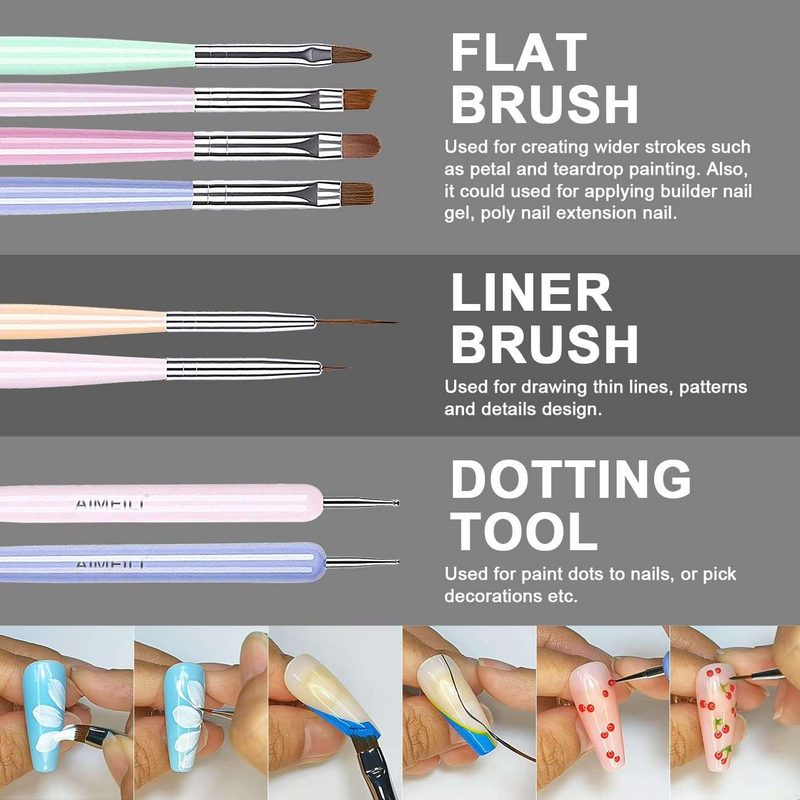
Not all nail brushes are created equal. Each type serves a specific purpose, allowing for varied effects and precision levels in your nail designs. From fine detail brushes to flat shading brushes, understanding the distinctions helps you pick the perfect tool for your style.
Detail brushes, often thin and pointed, are ideal for intricate lines and tiny accents. Flat brushes, on the other hand, cover larger areas for gradients or base colors. Fan brushes create texture and blend colors seamlessly, while angled brushes offer control for sharp edges and geometric designs.
Knowing these brush types equips you to tackle complex designs, whether you’re working with gels, acrylics, or regular polish. For example, when working on delicate 3D nail art charms, having the right brush can make application smoother and more precise. For inspiration, explore how 3D Nail Art Charms elevate your manicure with the right tools.
Choosing Professional Nail Brushes for Lasting Quality
Investing in professional nail brushes means choosing durability and precision. High-quality brushes maintain their shape and provide smooth application for every stroke. Synthetic brushes are popular for their affordability and ease of cleaning, while natural hair brushes offer superior paint retention and softness.
When selecting brushes, consider the handle length and thickness, which affect balance and control. Many professionals prefer ergonomic handles that reduce hand fatigue during extended sessions. Proper storage also prolongs brush life by preventing damage to the delicate bristles.
For those practicing new designs, incorporating professional nail brushes enhances skills and results. Combining these brushes with other essentials like practice nails for nail art can accelerate your progress and boost confidence in your work.
How to Maintain Nail Brushes for Nail Art Longevity
Proper maintenance of your nail brushes is crucial to ensuring they last and perform well. After each use, gently clean the bristles with a brush cleaner or acetone, avoiding harsh scrubbing that can damage the fibers. Let them dry flat to retain their shape and prevent water damage to the handle.
Regular upkeep prevents buildup from gel or acrylic residue, which can harden and ruin your brushes. Storing brushes in a case or brush holder keeps them free from dust and bending. Additionally, rotating your brushes during busy nail art sessions helps maintain consistent quality.
Maintaining your tools also complements other nail art supplies, such as gel paints, helping you achieve flawless results. For guidance on pairing tools and materials, see our insights on gel art paint for nails.
Using Nail Brushes for Nail Art to Elevate Your Manicure Designs
Nail brushes unlock endless creative possibilities, enabling you to craft everything from minimalist patterns to extravagant competing designs. Mastering brush control allows for freehand artistry, intricate detailing, and smooth gradients, all essential for standout manicures.
For those interested in competitive nail art, precise brushwork is a game-changer. Designs that win contests often depend on delicate strokes and flawless execution, skills honed through using the right brushes. Our article on nail art for competition dives deeper into techniques that impress judges and clients alike.
Experimenting with different brushes can also enhance seasonal or thematic nail art, such as creating realistic fall trees or floral motifs. The right brush transforms ideas into wearable art seamlessly.
Tips for Beginners: Getting Started with Nail Brushes for Nail Art
Starting with nail brushes for nail art can feel overwhelming, but a few key tips help simplify the process. Begin with a basic set including a detail brush, flat brush, and angled brush to cover most design needs. Practice simple strokes on practice nails to build hand control and confidence.
Patience is essential; intricate designs require steady hands and time. Use thin layers of polish or gel to avoid brushes getting overloaded and causing smudges. Watching tutorials and experimenting with various brush types also sharpens your skills.
As you progress, integrate brushes with other tools like glitter tips or floral stickers to add dimension. Our guide on nail art glitter tips shows how combining techniques enhances your overall manicure.
Frequently Asked Questions
What type of nail brush is best for beginners?
For beginners, a basic set with a fine detail brush, a flat brush, and an angled brush works best. These brushes cover most design techniques and help develop control. Starting simple allows you to practice essential strokes without overwhelming choices.
How often should I clean my nail brushes for nail art?
Cleaning after every use is ideal to prevent polish or gel buildup, which can damage the bristles. Use brush cleaner or acetone and allow brushes to dry flat. Regular cleaning extends brush life and maintains precision.
Can synthetic brushes be used for gel nail art?
Yes, synthetic brushes are suitable for gel nail art due to their durability and ease of cleaning. They hold shape well and resist damage from acetone, making them practical for gel applications.
How do I choose the right size brush for detailed nail art?
Smaller brushes with thin, pointed bristles are ideal for detailed work. Look for brushes labeled as fine detail or liner brushes, which allow precise control over tiny lines and patterns.
What is the difference between natural and synthetic nail brushes?
Natural brushes use hair from animals and tend to hold paint better, offering softer bristles, while synthetic brushes are made of man-made fibers, usually more affordable and easier to clean. Both types can be effective depending on personal preference and technique.
Choosing and mastering the right nail brushes for nail art is a foundational step toward elevating your manicure game. From selecting the appropriate brush types to maintaining them, these tools unlock your creativity and precision. Whether you’re a beginner or a seasoned artist, investing in quality brushes ensures your designs look professional and last longer. Explore different styles, practice diligently, and watch your nail art transform into stunning works of beauty. Ready to upgrade your toolkit? Start by exploring premium brushes and combining them with expert techniques to create your next masterpiece.