
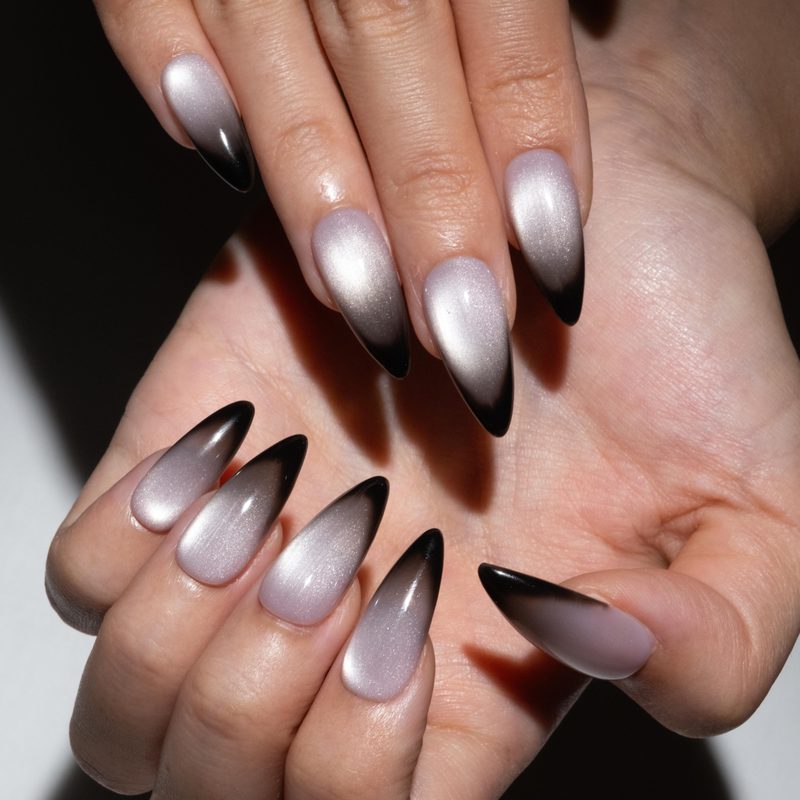
Anyone who has ever sat in a nail salon or attempted a DIY manicure knows the struggle of dealing with brush nail art manicure dust. This fine particulate, often from filing or buffing during nail preparation, can settle on your work surface, skin, and even your freshly painted nails, compromising the smooth and polished look you desire. Whether you’re a professional nail artist or a beauty enthusiast, managing this dust effectively is critical to achieving a flawless finish and maintaining healthy nails. In this article, we’ll explore practical strategies and expert advice to control and minimize brush nail art manicure dust, ensuring your manicure looks impeccable every time.
In this article:
- Understanding Brush Nail Art Manicure Dust and Its Impact
- Top Techniques to Control Brush Nail Art Manicure Dust
- Cleaning and Maintaining Your Nail Art Brushes to Reduce Dust
- How Brush Nail Art Manicure Dust Affects Nail Art Quality
- Pro Tips to Minimize Brush Nail Art Manicure Dust at Home
- Integrating Dust Control with Advanced Nail Art Techniques
Understanding Brush Nail Art Manicure Dust and Its Impact
Brush nail art manicure dust is composed of tiny particles generated when nails are filed, buffed, or shaped. These micro-particles can pose a challenge not only for aesthetics but also for hygiene. If not properly managed, the dust can cling to the skin around the nail bed, mix with polish, and cause uneven texture or premature chipping. Additionally, inhaling dust particles regularly may cause irritation or respiratory issues, highlighting the importance of proper dust control in both salons and at home.
Besides health concerns, dust buildup can interfere with delicate nail art designs, especially when using gel or acrylics. Maintaining a clean, dust-free surface ensures adhesives and polish adhere smoothly, helping designs last longer. Professionals often rely on specialized tools and techniques to minimize dust exposure, which can be adapted for personal use as well.
Recognizing the sources and effects of brush nail art manicure dust empowers nail artists and enthusiasts alike to take proactive steps, making every manicure session more enjoyable and effective.
Top Techniques to Control Brush Nail Art Manicure Dust
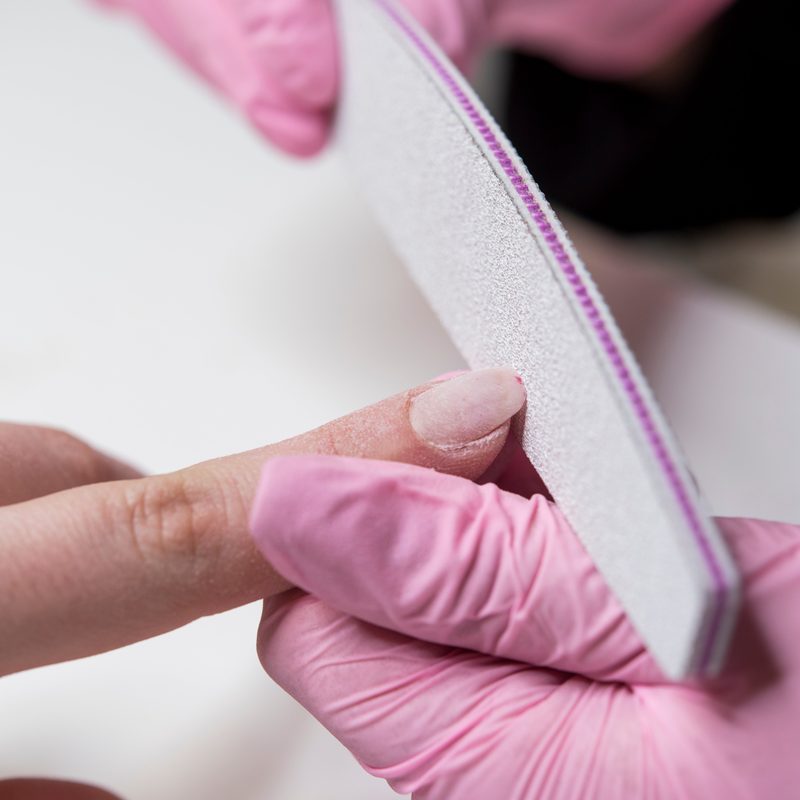
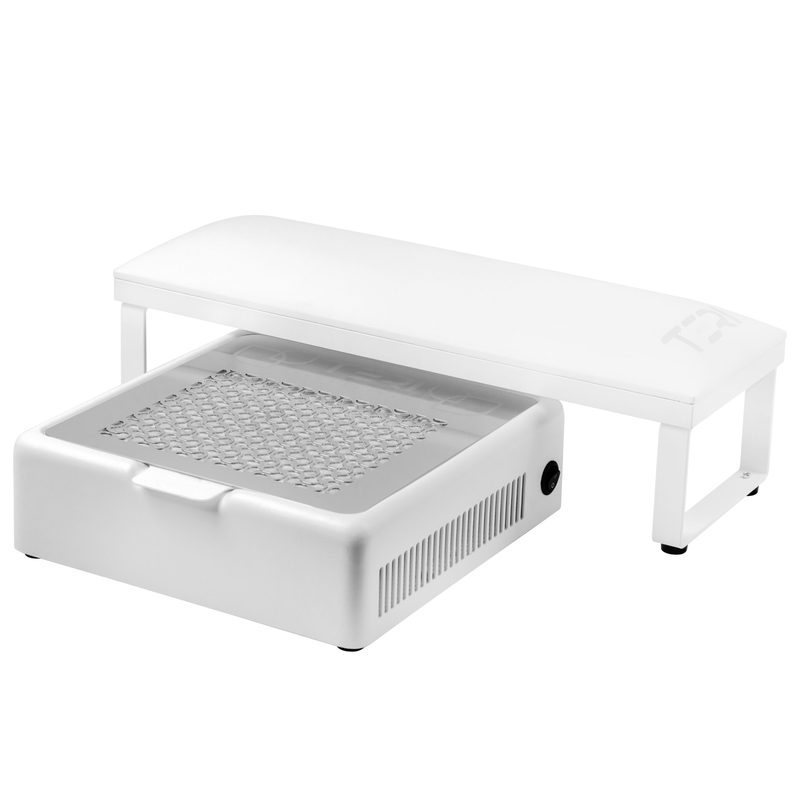
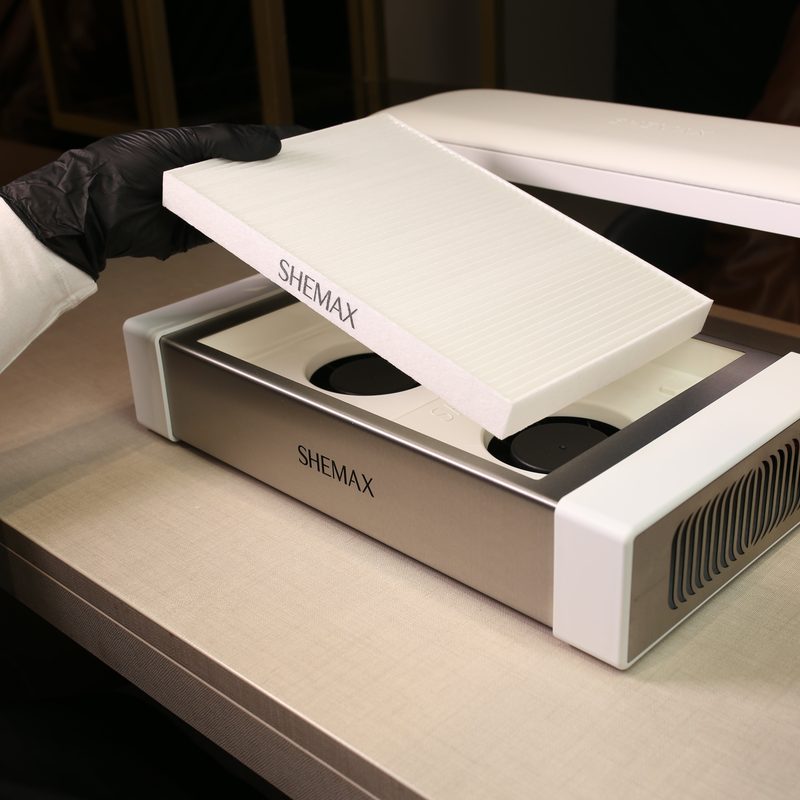
Controlling brush nail art manicure dust begins with a clean workspace and the right tools. Professionals recommend using dust collectors or fans near the nail station to capture airborne particles immediately. For at-home users, a simple damp cloth wiped frequently can reduce dust accumulation. Additionally, using high-quality nail files with finer grit reduces excess dust compared to rougher options.
Another effective approach is wet filing, where nails are filed under running water or with a dampened file. This method significantly limits dust generation and keeps particles from dispersing. It’s crucial, however, to dry nails thoroughly before proceeding with nail art to ensure polish and gel adherence.
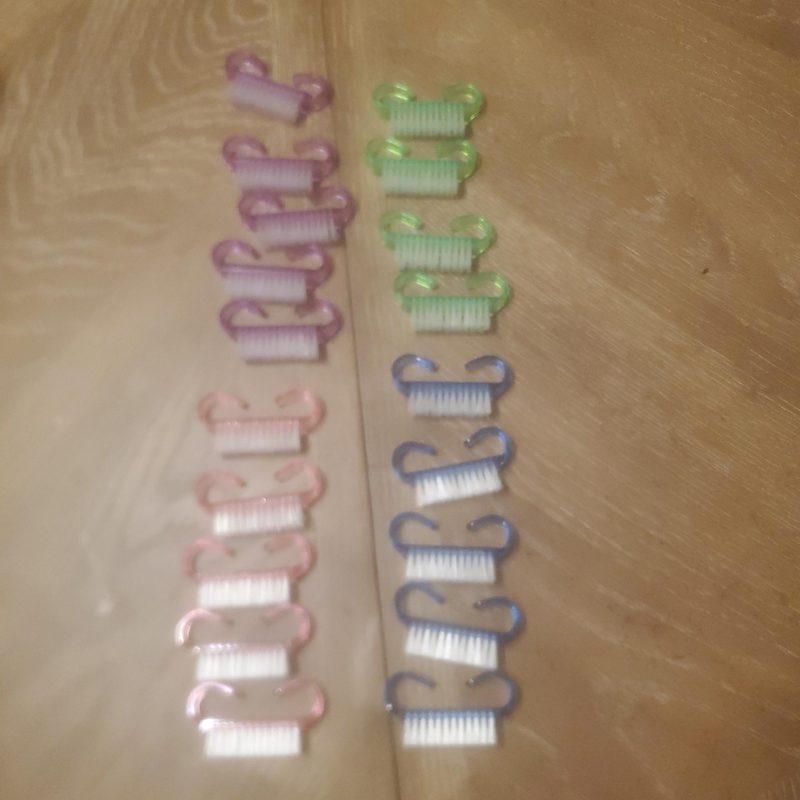
Finally, brushing off nails with a soft, clean brush after filing helps remove residual dust. This step is essential before applying base coats or nail art paints to guarantee a smooth canvas.
Cleaning and Maintaining Your Nail Art Brushes to Reduce Dust
Proper cleaning of nail art brushes is vital to prevent dust accumulation that can compromise nail designs. After each use, brushes should be cleaned with appropriate solvents or brush cleaners to remove residual polish or acrylic powder. Neglecting this can cause brush fibers to trap dust, which transfers onto nails during application.
Storing brushes in a dust-free container also minimizes contamination. Many nail artists use brush holders or sealed cases that protect brushes from airborne particles. Regular checks for brush wear and replacing old brushes maintain precision and reduce dust shedding.
Additionally, consider investing in high-quality synthetic or natural brushes designed for easy cleaning and durability. This not only enhances design accuracy but also reduces the risk of creating excess manicure dust during your nail art sessions.
How Brush Nail Art Manicure Dust Affects Nail Art Quality
The presence of manicure dust during nail art application can dramatically affect the final look and longevity of your design. Dust particles trapped under polish or gel create bumps and uneven surfaces, detracting from the smooth, glossy finish desired in professional manicures. These imperfections often become visible once the design is fully cured, leading to touch-ups or redo sessions.
Moreover, dust can interfere with the adhesion of nail decals, stickers, or special effects like those featured in festive seasons, such as Christmas glitter nail art. A dust-free base ensures these elements stay intact longer and shine brighter.
Ultimately, controlling brush nail art manicure dust is essential for anyone looking to elevate their manicure game, ensuring fine details and textures are not lost to unwanted debris.
Pro Tips to Minimize Brush Nail Art Manicure Dust at Home
For DIY nail art lovers, minimizing brush nail art manicure dust at home starts with preparation. Working in a well-ventilated area is key to reducing dust accumulation in the air. Using a small handheld fan or air purifier can further clear airborne particles, making the space safer and cleaner.
Another practical tip is to avoid filing nails too aggressively. Gentle, consistent strokes with a fine-grit file reduce dust production. After filing, a quick wipe with a lint-free cloth dampened with rubbing alcohol removes lingering dust and oils from the nail surface, readying it for polish.
If you enjoy intricate designs, consider exploring dust-free techniques such as gel nail art pens or using a best nail art brushes designed for precision without excess residue. These tools help maintain the cleanliness of your manicure environment while delivering professional results.
Integrating Dust Control with Advanced Nail Art Techniques
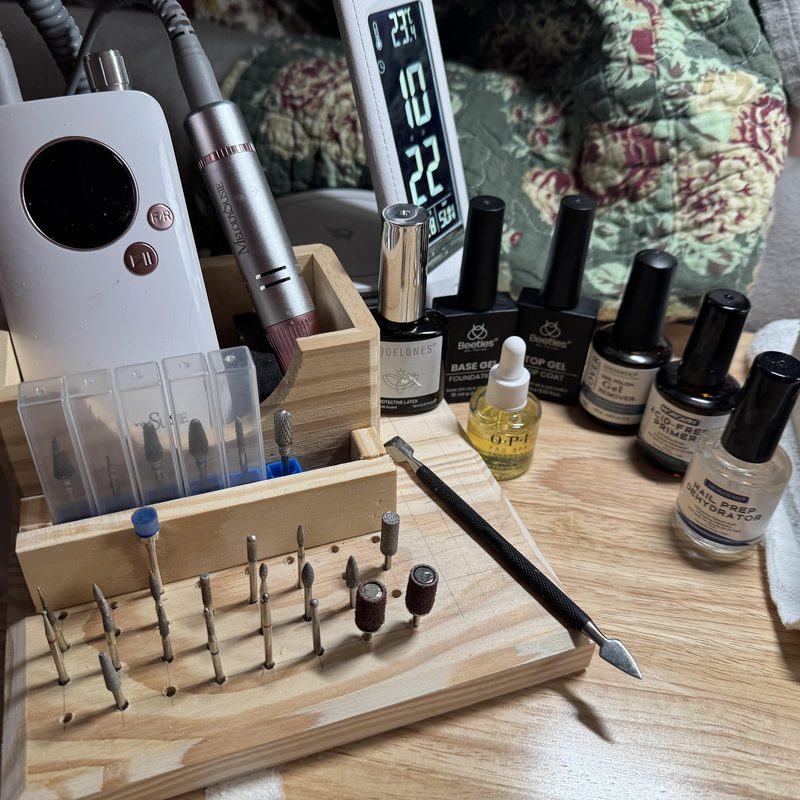
As nail art evolves with new trends and products, controlling brush nail art manicure dust remains an important foundation. Techniques such as acrylic powder application, gel overlays, and special effects demand a dust-free environment for the best results. For example, when using products like gel nail art paint, any residual dust can cause bubbling or uneven curing.
Many professionals incorporate dust control into their routine by applying primer and base coats only after thorough dust removal. Additionally, tools like foil nail art glue benefit from a clean surface to secure foils flawlessly, as discussed in Foil Nail Art Glue: The Secret to Stunning Manicures.
Ultimately, mastering dust control enhances not only the look but also the durability of advanced nail art, making it a crucial part of any manicure process.
Frequently Asked Questions
What is brush nail art manicure dust and why does it matter?
Brush nail art manicure dust consists of tiny particles produced during filing, buffing, or shaping nails. It matters because it can interfere with nail polish adhesion, cause uneven textures, and affect the overall appearance and longevity of nail art designs. Managing dust is essential for both aesthetic and health reasons.
How can I reduce manicure dust when filing my nails at home?
To reduce manicure dust at home, use a fine-grit nail file and file gently. Wet filing is also effective, as it minimizes dust particles by dampening the nails during the process. Additionally, working in a well-ventilated space and wiping nails with a damp cloth afterward can help keep dust to a minimum.
What tools help professionals control brush nail art manicure dust?
Professionals often use dust collectors, nail station fans, and soft brushes to capture and remove dust during manicures. High-quality, finely gritted files and regular cleaning of nail art brushes also play significant roles in dust control, ensuring a clean and safe workspace.
Can brush nail art manicure dust affect gel or acrylic nail application?
Yes, dust can interfere with the adhesion and smoothness of gel or acrylic nail applications. Dust particles trapped under polish or gel can cause bumps, uneven surfaces, and premature chipping. Proper dust removal is crucial to achieving a flawless, lasting manicure.
Are there any safe ways to breathe while working with nail dust?
To protect your respiratory health, always work in a well-ventilated area, use dust collectors or fans, and consider wearing a mask designed for fine particulates. These measures help minimize inhalation of manicure dust and keep your nail art sessions safe.
Controlling brush nail art manicure dust is a fundamental step toward achieving a flawless, professional-looking manicure. From understanding how dust affects nail art to implementing effective cleaning and dust-reduction techniques, you can elevate your nail care routine significantly. Whether at home or in a salon, prioritizing dust management not only improves your designs but also promotes healthier nails and safer work conditions. Start incorporating these expert tips today and enjoy nails that look and feel their best.