
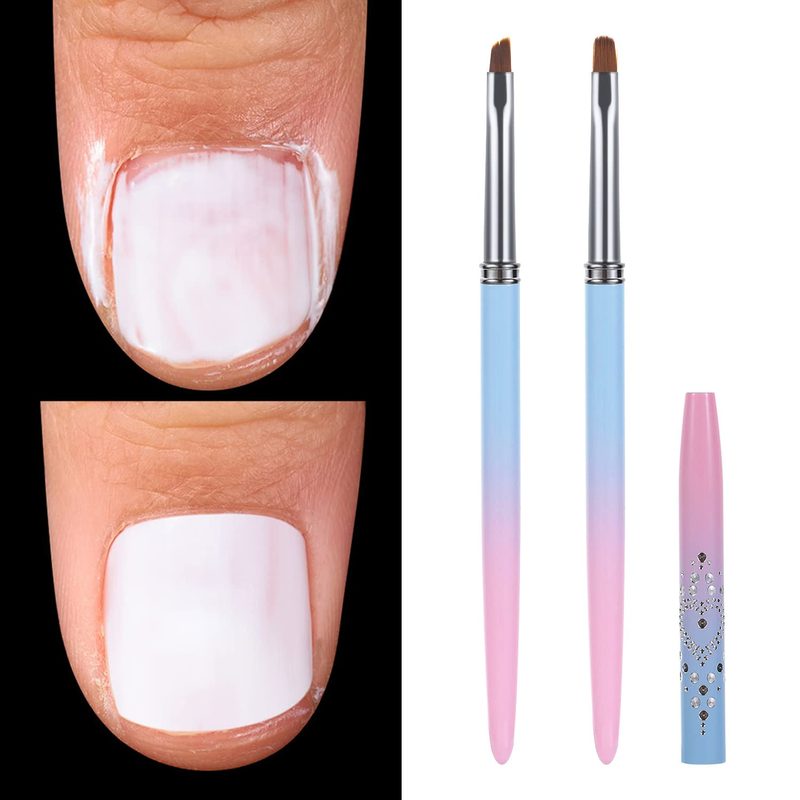
Whether you’re a seasoned nail artist or just diving into the world of creative manicures, encountering stubborn, dried polish on your brushes is a frustrating but common challenge. The brush cleaner of nail art is your best defense against this issue, ensuring that your tools stay in top condition for precise and vibrant designs. Without regular cleaning, residue buildup can ruin brush quality, affecting application and detail work.
In this article, we explore the importance of a quality brush cleaner of nail art, how to choose the right one, and expert techniques to extend the life of your brushes. We’ll also touch on the ideal maintenance practices every nail salon and hobbyist should adopt to keep their brushes performing at their best.
In this article:
- Why the Brush Cleaner of Nail Art Is Crucial for Every Nail Artist
- Choosing the Best Brush Cleaner of Nail Art for Your Needs
- Step-by-Step Guide: How to Use Brush Cleaner of Nail Art Effectively
- Maintaining Brushes in Nail Salons: Best Practices and Tips
- Troubleshooting Common Problems with Brush Cleaner of Nail Art
Why the Brush Cleaner of Nail Art Is Crucial for Every Nail Artist
Using the right brush cleaner of nail art is more than just a hygiene practice—it’s an essential part of maintaining precision tools. Nail art brushes are delicate and can quickly become stiff or damaged if polish and gel residue aren’t properly removed. This hampers your ability to create smooth lines and intricate patterns, which are key to professional results.
Additionally, cleaning brushes regularly prevents cross-contamination of colors and materials. For salons, this practice enhances client safety by reducing the risk of bacteria buildup. Moreover, a well-maintained brush set lasts longer, saving money in the long term by reducing frequent replacements.
Recognizing how integral brush cleaning is helps both professionals and enthusiasts appreciate the care behind every flawless manicure.
Choosing the Best Brush Cleaner of Nail Art for Your Needs
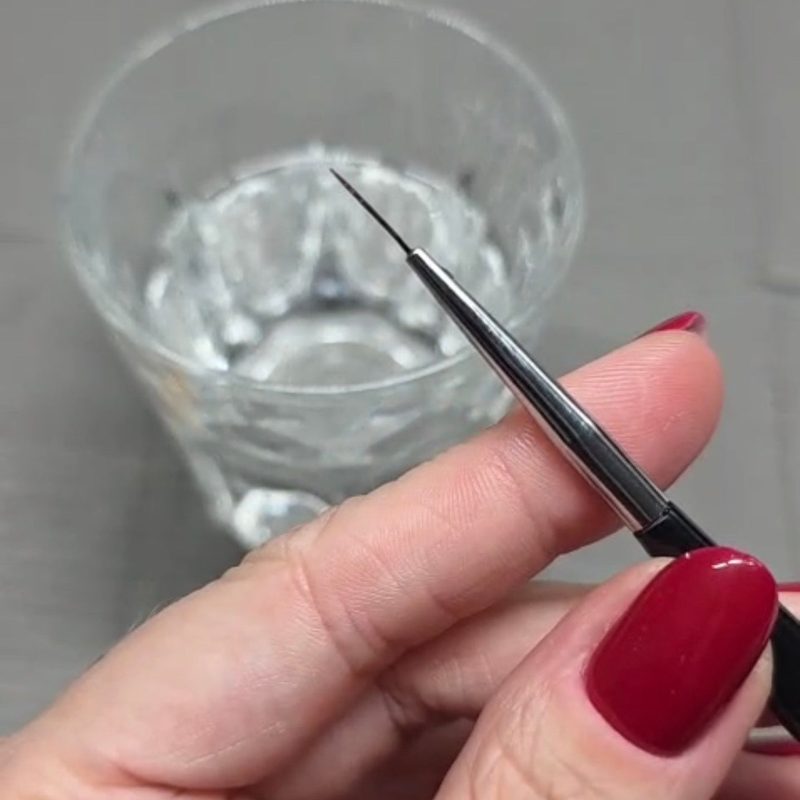
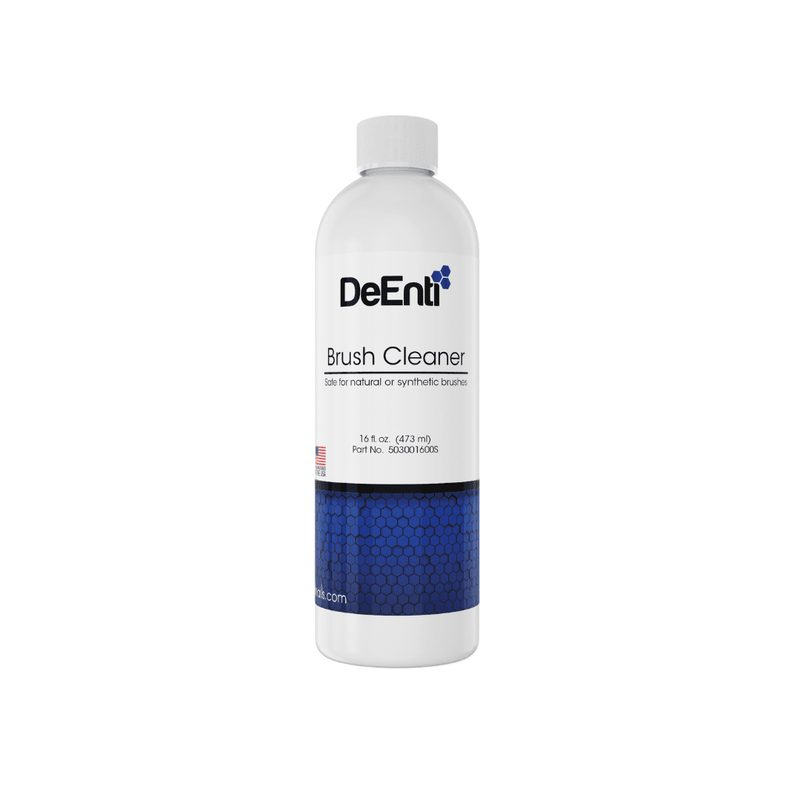
Not all brush cleaners are created equal, and selecting the right one depends on your specific nail art techniques and materials. Some cleaners are formulated for water-based acrylic paints, while others target stubborn gel polish residues. Solvent-based cleaners typically work faster but can be harsher on brush bristles.
Natural, non-toxic brush cleaners have gained popularity for their gentler formulas, especially in salons prioritizing eco-friendly practices. These solutions help extend brush life and reduce skin irritation for technicians. Consider cleaners designed specifically for nail art tools rather than general-purpose brush solvents to ensure optimal results.
Trying out a few types and paying attention to how your brushes respond will guide you to the perfect brush cleaner of nail art for your kit.
Step-by-Step Guide: How to Use Brush Cleaner of Nail Art Effectively
Mastering the proper technique for cleaning nail art brushes with a brush cleaner ensures your tools stay flexible and precise. Begin by wiping off excess polish on a lint-free cloth. Next, dip the brush tip into the cleaner, gently swirling to dissolve and lift the residue without damaging the bristles.
After soaking briefly, rinse the brush in clean water or a second cleaner if the product requires it. Pat dry with a clean towel and reshape the bristles to maintain their original form. Allow brushes to air dry completely before storing to prevent mildew and bristle damage.
Following these steps regularly prevents buildup and keeps your collection ready for detailed work, such as delicate designs or freehand art.
Maintaining Brushes in Nail Salons: Best Practices and Tips
In busy nail salons, brush maintenance becomes a vital routine to ensure efficiency and client satisfaction. Technicians should clean brushes immediately after each use to prevent polish from drying on the bristles, which makes cleaning more difficult later. Dedicated brush holders and proper air drying stations help brushes retain their shape and hygiene.
Investing in quality brush cleaners not only speeds up the cleaning process but also reduces wear and tear on expensive tools. It’s also beneficial to educate staff on the differences between brush types and the appropriate cleaner for each to avoid accidental damage.
For salons looking to elevate their service, combining brush care with high-quality base coats and liners, like those discussed in Nail Art Base Coat: The Essential Step for Flawless Manicures and Nail Art Liner Brush: The Essential Tool for Precision Design, can enhance overall results.
Troubleshooting Common Problems with Brush Cleaner of Nail Art
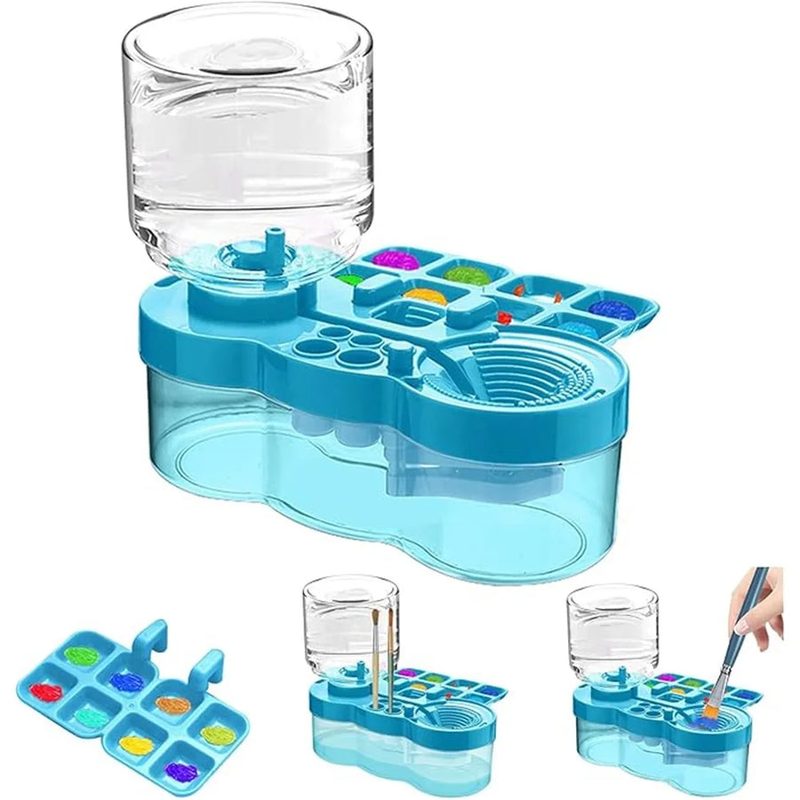
Even with the right products, brush cleaning can sometimes present challenges. Brushes that feel stiff after cleaning often result from harsh solvents or incomplete rinsing. Switching to gentler cleaners or incorporating a conditioner designed for synthetic bristles can restore flexibility.
Another frequent issue is color contamination. If brushes retain pigment after cleaning, try soaking them longer or using a two-step cleaning process with separate cleaners for gel and acrylic paints. Proper drying is equally important; damp brushes left stored risk mildew growth, which damages bristles and poses hygiene concerns.
Addressing these common pitfalls ensures your brush cleaner of nail art works effectively and prolongs your tools’ lifespan.
Frequently Asked Questions
How often should I clean my nail art brushes?
For best results, clean your nail art brushes immediately after each use. This prevents polish or gel from drying on the bristles, which can make cleaning harder and damage the brush. In salons, thorough cleaning at the end of each day is also recommended to maintain hygiene.
Can I use regular nail polish remover as a brush cleaner?
While regular nail polish remover can clean brushes, it often contains harsh chemicals like acetone that may dry out and damage bristles over time. Specialized brush cleaners are formulated to be gentler and more effective, preserving brush quality.
What is the difference between solvent-based and water-based brush cleaners?
Solvent-based brush cleaners dissolve tougher residues like gel polish quickly but can be harsh on brush fibers. Water-based cleaners are milder and safer for delicate brushes but may require longer soaking. Choosing depends on your materials and brush type.
How do I store my nail art brushes after cleaning?
After cleaning, reshape bristles and let brushes air dry flat or bristle-side down to prevent water from settling in the ferrule. Store brushes in a clean, dry container to protect them from dust and deformation.
Are natural or synthetic brushes easier to clean with brush cleaner of nail art?
Synthetic brushes generally resist damage from solvents better and are easier to clean, while natural hair brushes need gentler handling and cleaners. Choose brush cleaner formulas suited to your brush material to maintain their condition.
The brush cleaner of nail art is an indispensable tool for anyone serious about achieving flawless, professional-quality manicures. By selecting the right cleaner, mastering proper cleaning techniques, and maintaining your brushes consistently, you can ensure every stroke remains precise and vibrant. Whether you’re running a busy salon or perfecting your personal nail art, investing time in proper brush care pays off in stunning results. Ready to elevate your nail designs? Start with the right brush cleaner of nail art and watch your creativity shine.