
Many nail lovers dive straight into the latest designs without fully understanding the art labeling activity nail structure that underpins every flawless manicure. Knowing the anatomy of your nails can transform how you approach nail care and design, ensuring not only beauty but also health. From the nail matrix to the free edge, each part plays a vital role in how nail art adheres and lasts. This article uncovers the essential components of nail structure and explains why mastering this knowledge can elevate your nail salon experience or personal manicure routine.
In this article:
- Breaking Down the Art Labeling Activity Nail Structure
- How Nail Structure Impacts Nail Art and Design
- Common Nail Structure Issues That Affect Manicure Results
- Integrating Art Labeling Activity Nail Structure into Salon Services
- Enhancing Your Manicure with Knowledge of Nail Structure
- Future Trends: Technology Meets Art Labeling Activity Nail Structure
Breaking Down the Art Labeling Activity Nail Structure
Understanding the art labeling activity nail structure starts with identifying its main parts. The nail plate, cuticle, nail bed, lunula, and matrix all work together to create the sturdy surface for nail designs. The nail matrix, located under the skin at the base of the nail, is where nail growth begins, making it crucial for healthy nails.
Each layer contributes differently—while the nail plate is the visible hard part, the cuticle protects new nail growth from infection. Knowing these elements helps nail artists apply polish or decals more precisely, ensuring longer-lasting results without damage.
This basic anatomy knowledge also empowers clients to recognize healthy versus unhealthy nails, guiding better care decisions between salon visits.
How Nail Structure Impacts Nail Art and Design
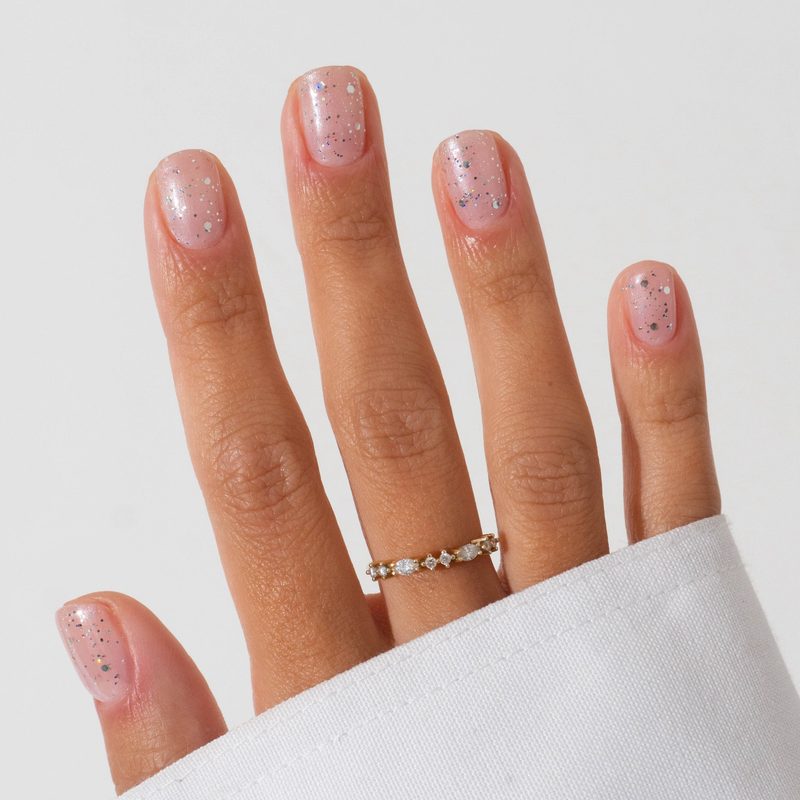
The success of any nail art depends heavily on the underlying nail structure. For example, a smooth nail plate ensures polish and decals adhere evenly without bubbling or peeling. Rough or damaged nails pose challenges that affect the finish and durability of manicure styles.
Moreover, understanding nail structure allows artists to customize their approach to each client. Thin nails may require strengthening bases before applying designs, while curved nails might need specific shapes for optimal art presentation.
Exploring how structure influences design can significantly improve outcomes, particularly for intricate styles like those discussed in our Abstract Art Nail Designs article.
Common Nail Structure Issues That Affect Manicure Results
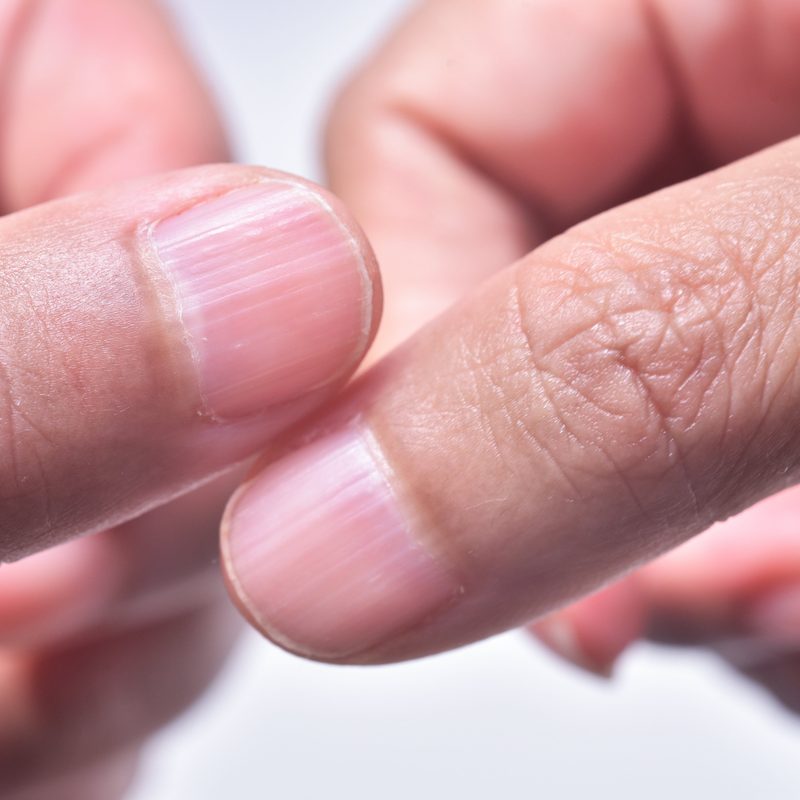
Not all nails are created equal, and variations in nail structure can impact the outcome of any art-labeling activity nail structure. Conditions like brittle nails, ridges, or peeling can cause polish to chip prematurely or decals to lift.
Identifying these issues early allows for tailored treatments, from moisturizing cuticle oils to nail strengthening therapies. Nail salons often recommend specific products or techniques to improve nail health before attempting complex nail art.
Addressing these concerns not only enhances aesthetic results but also promotes overall nail wellness, which is essential for lasting beauty.
Integrating Art Labeling Activity Nail Structure into Salon Services
Salons that educate clients on nail structure during their appointments offer a premium experience. Explaining the art labeling activity nail structure helps clients appreciate the process and value of professional care.
Technicians can perform an initial assessment, identifying nail health and advising on suitable art and treatments. This personalized approach builds trust and improves customer satisfaction.
For salon owners, integrating this educational aspect can differentiate their services. Sharing tips on nail anatomy and care also encourages clients to book regular visits for maintenance.
Enhancing Your Manicure with Knowledge of Nail Structure
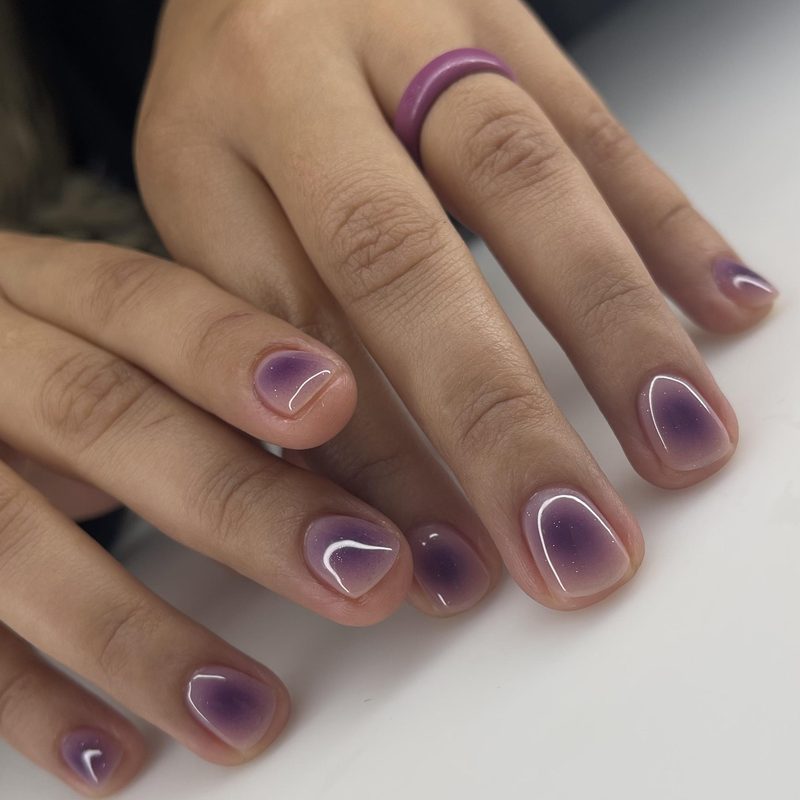
For DIY enthusiasts, understanding the art labeling activity nail structure means better results and healthier nails. Selecting nail products that complement your nail type and structure can prevent damage and extend the wear of your manicure.
Additionally, layering nail art thoughtfully—considering nail strength and growth patterns—helps maintain nail integrity while showcasing creativity. For inspiration, exploring techniques like water nail art decals offers a way to apply designs without heavy layering that might stress fragile nails.
Ultimately, blending structural knowledge with artistic flair elevates your nail game to professional levels.
Future Trends: Technology Meets Art Labeling Activity Nail Structure
Emerging trends in nail care increasingly incorporate technology to better analyze and treat nail structure. Tools like digital nail scanners provide detailed insights about nail health, allowing personalized art-labeling activity nail structure approaches.
These innovations promise to refine how nail professionals and enthusiasts approach nail art and care by combining scientific understanding with creative expression. Enhanced customization can improve both aesthetic appeal and nail durability.
As the beauty industry evolves, staying informed about these developments will keep your manicure skills and knowledge on the cutting edge.
Frequently Asked Questions
What is the importance of art labeling activity nail structure in nail art?
Art labeling activity nail structure is crucial because it informs how nail art adheres and lasts. Understanding the nail’s anatomy helps both technicians and clients choose appropriate products and techniques, resulting in healthier nails and more durable, flawless designs.
How can I identify if my nail structure is healthy?
Healthy nails typically appear smooth, without ridges or discoloration, and have a consistent thickness. The cuticles should be intact and not inflamed. If nails are brittle, peeling, or uneven, these may signal structural issues needing attention.
Can nail structure problems be fixed to improve manicure results?
Yes, many nail structure problems can be improved with proper care, such as moisturizing, nail strengthening treatments, and avoiding harsh chemicals. Professional salons can also offer treatments tailored to specific issues, enhancing overall nail health and manicure longevity.
Does understanding nail structure help with applying nail decals?
Absolutely. Knowing the nail structure ensures decals are applied on a smooth, well-prepped nail plate, preventing lifting or bubbling. It also helps in choosing suitable decal types and adhesives that complement the nail’s condition.
Are there specific nail structures better suited for complex nail art?
Smoother, thicker nail plates generally provide a better canvas for intricate nail art. Nails with minimal ridges and healthy cuticles allow designs to show clearly and last longer without damage or premature chipping.
Mastering the art labeling activity nail structure is a game-changer for anyone invested in nail art, whether as a professional or a hobbyist. This knowledge ensures healthier nails, more durable designs, and a deeper appreciation for the manicure process. Embrace this understanding, and you’ll elevate your nail care routine to a truly premium experience. Start exploring your nail structure today and watch your nail art flourish like never before.