
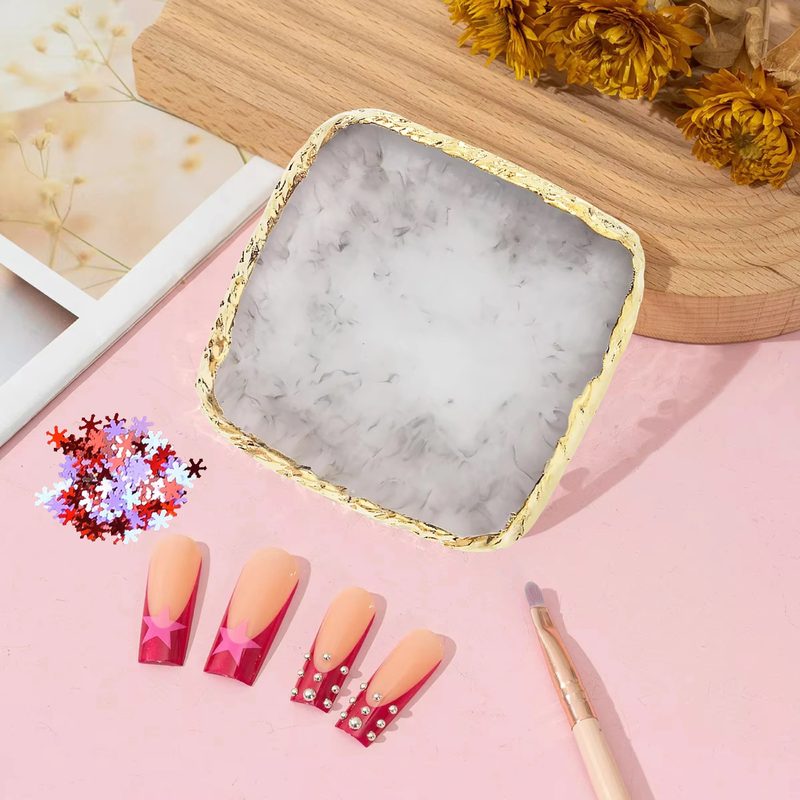
Every nail artist knows the challenge of mixing and matching colors to achieve the perfect design. The resin nail art palette has become an indispensable tool for both professionals and enthusiasts in the beauty industry. It allows for seamless color blending and easy access to custom resin mixtures, eliminating the hassle of cluttered workspaces and wasted product. Whether you’re crafting delicate floral patterns or bold abstract designs, this palette empowers nail technicians to work precisely and efficiently.
In today’s competitive nail salon market, having the right tools can make all the difference. A resin nail art palette not only streamlines your workflow but also opens new doors to experimentation, helping you produce unique manicures that clients will love. Let’s explore why this essential accessory has taken center stage in nail art innovation.
In this article:
- What Is a Resin Nail Art Palette and Why You Need One
- How to Use a Resin Nail Art Palette for Custom Colors
- Top Benefits of Incorporating a Resin Nail Art Palette into Your Salon
- Choosing the Right Resin Nail Art Palette: Features to Consider
- Creative Ideas to Maximize Your Resin Nail Art Palette
- Maintaining and Cleaning Your Resin Nail Art Palette
What Is a Resin Nail Art Palette and Why You Need One
A resin nail art palette is a flat surface, usually made of silicone or plastic, used to hold and mix nail art materials like resins, gels, and acrylics. Unlike traditional palettes, resin palettes are designed to withstand sticky substances and offer easy cleaning. They provide multiple wells or sections to hold individual colors or components, making it easier to experiment with shades and textures.
For nail salons, this tool is essential because it keeps your workspace organized and reduces waste. Instead of mixing colors directly on your nail or on disposable paper, the palette offers a controlled environment to blend and customize hues. This results in more precise application and professional-looking finishes.
Moreover, a resin nail art palette enhances hygiene practices. By using a dedicated surface, nail technicians avoid cross-contamination and can quickly clean materials between clients, maintaining a safe and sanitary salon environment.
How to Use a Resin Nail Art Palette for Custom Colors
Using a resin nail art palette to create custom colors is straightforward yet transformative for your nail art process. Start by dispensing small amounts of resin, gel, or polish into separate wells. This setup allows you to experiment by mixing varying quantities to achieve the perfect shade without wasting large batches.
To mix colors effectively, use a fine brush or a dotting tool to blend the pigments directly on the palette. This method gives you full control over consistency and saturation, enabling you to adjust tones subtly. Once satisfied, you can apply the custom blend directly from the palette onto the nail.
Another benefit is speed. With your palette set up, you won’t have to pause to prepare new colors mid-session. This efficiency is crucial in busy nail salons where time and quality matter equally.
Top Benefits of Incorporating a Resin Nail Art Palette into Your Salon
Incorporating a resin nail art palette into your salon routine brings numerous advantages. First, it significantly increases precision. Instead of guesswork, nail artists can visualize color blends and adjust on the fly, leading to flawless results every time. This level of control is particularly valuable for intricate designs like those using rhinestones for nail art or delicate 3D accents.
Secondly, the palette promotes creativity. By having multiple colors and textures accessible at once, nail technicians are encouraged to innovate and push beyond standard designs. This can set your salon apart with bespoke manicures that clients won’t find elsewhere.
Additionally, the palette is cost-effective. Mixing small amounts reduces product waste, which saves money over time. Plus, the easy-to-clean surface means less downtime between clients, boosting productivity.
Choosing the Right Resin Nail Art Palette: Features to Consider
Not all resin nail art palettes are created equal. When selecting one, prioritize durability and ease of cleaning. Silicone palettes are popular for their non-stick surfaces and flexibility, allowing you to peel off dried resin easily. Plastic palettes, while cheaper, may require more maintenance to avoid stains.
Size matters too. A palette with multiple wells and enough surface area lets you work on complex projects without running out of space. Look for designs with both small and large mixing areas to accommodate detailed work and larger blends.
Finally, consider portability. If you travel to clients or attend nail competitions, a lightweight, compact palette with a cover will protect your materials and make transportation hassle-free.
Creative Ideas to Maximize Your Resin Nail Art Palette
Beyond mixing, your resin nail art palette can be a launching pad for innovative techniques. Try using it to create multi-layered color blends by applying resin in stages, allowing each layer to partially cure before adding the next. This builds depth and dimension in your designs.
Another idea is to use the palette as a temporary storage for tiny embellishments like 3D charms or glitter. This keeps your workspace tidy and speeds up application. For inspiration, explore how combining your palette blends with nail art 3D charms can elevate your designs.
Finally, consider incorporating chrome powders or other effects by dipping brushes directly from the palette mixtures. This hands-on approach encourages experimentation and can lead to new signature looks that delight your clients.
Maintaining and Cleaning Your Resin Nail Art Palette
Proper maintenance of your resin nail art palette ensures longevity and hygiene. After each use, clean the palette before resin cures completely. Use a lint-free wipe with acetone or nail polish remover, which dissolves residues effectively without damaging silicone surfaces.
For dried resin, gently peel or scrape off with a plastic tool to avoid scratching the palette. Avoid harsh chemicals or abrasive scrubbers that can degrade the material over time.
Regular cleaning also prevents color contamination during future mixes. Keeping your palette spotless contributes to more vibrant and true-to-tone custom colors. A well-maintained palette is as important as quality nail products in achieving professional results.
Frequently Asked Questions
What makes a resin nail art palette different from a regular mixing palette?
A resin nail art palette is specifically designed to handle sticky and curing materials like resin and gel polish. Usually made of silicone, it offers a non-stick surface for easy cleaning and reuse, unlike regular palettes that may absorb pigment or be harder to clean.
Can I use a resin nail art palette for acrylic powders or gels?
Yes, resin nail art palettes work well with various nail materials including acrylic powders, gels, and polishes. They provide separate wells or flat surfaces for mixing, making them versatile tools in any nail salon setting.
How often should I clean my resin nail art palette?
For best results, clean your resin nail art palette after each use, ideally before the resin cures completely. This prevents buildup and keeps colors pure for future mixes.
Are there size options for resin nail art palettes to suit different workloads?
Absolutely. Resin nail art palettes come in various sizes, from compact versions ideal for travel to larger ones with multiple wells designed for busy nail salons handling complex designs.
Where can I find inspiration for designs using a resin nail art palette?
Many nail art blogs and tutorials feature creative uses of resin palettes. For example, explore how to elevate your manicure with sculpture gel nail art or add sparkle with rhinestones for nail art to complement your palette blends.
The resin nail art palette is more than just a mixing tool—it’s a gateway to innovative and professional salon manicures. By incorporating this essential accessory into your routine, you can customize colors with precision, enhance your creative process, and deliver stunning nail art that stands out. Invest in a quality resin nail art palette today and unlock your full artistic potential.