
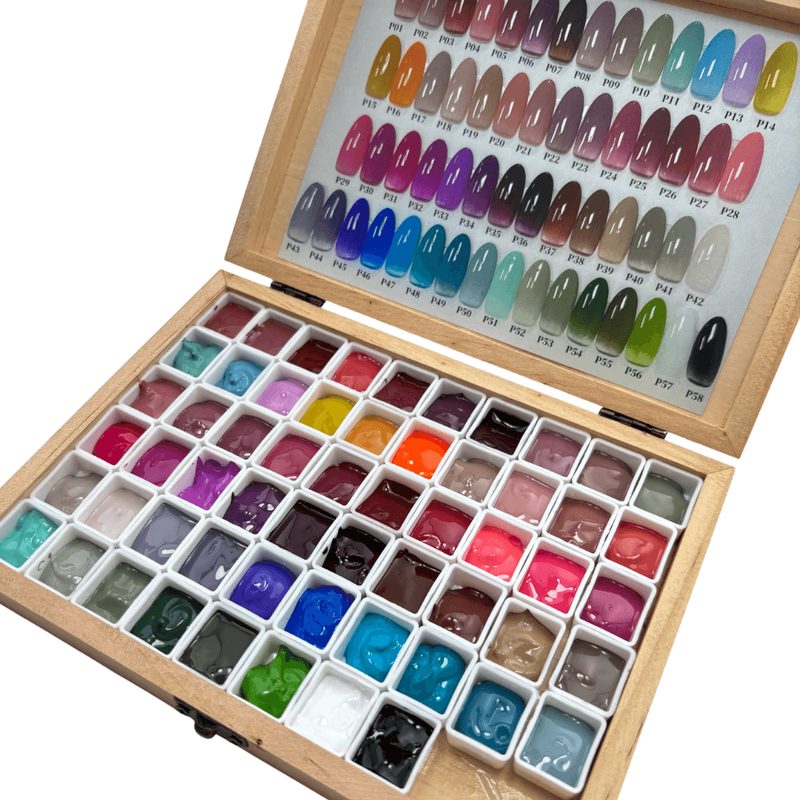
Picture this: you’re ready to create a flawless manicure, but your tools just aren’t delivering the artistic precision or vibrancy you crave. Choosing the right paint for nail art is crucial to turning simple nails into a genuine work of art. Whether you’re a seasoned nail technician or a DIY enthusiast, the quality and type of paint you use can dramatically affect your creation’s longevity and appearance.
In this article, we’ll explore everything from the best paint types to techniques for flawless application, ensuring your nail art stands out in any salon or personal setting. Dive in to discover how the perfect paint for nail art can elevate your manicure game to professional levels.
In this article:
- Understanding Different Types of Paint for Nail Art
- Choosing the Best Paint for Nail Art Based on Your Skill Level
- Tips and Techniques for Applying Paint for Nail Art Like a Pro
- Caring for Your Painted Nail Art to Extend Wear Time
- Innovative Trends in Paint for Nail Art in 2024
- Paint for Nail Art: Essential Supplies Every Nail Artist Needs
Understanding Different Types of Paint for Nail Art
When it comes to paint for nail art, not all formulas are created equal. Acrylic paints are popular for their quick drying time and ease of use, making them a favorite among beginners and professionals alike. These paints offer vibrant colors and can be diluted with water for gradient effects or fine detailing.
Gel paint for nail art, on the other hand, provides longer-lasting results and a glossy finish. Unlike traditional acrylics, gel paints require curing under a UV or LED lamp, which helps the design resist chipping and fading for weeks. For those prioritizing durability, gel paint is an excellent option.
Meanwhile, enamel-based nail paints function similarly to standard nail polish but with enhanced pigment density, ideal for bold, single-stroke designs. Whichever type you choose depends on your personal preference, the design complexity, and how long you want your manicure to last.
Choosing the Best Paint for Nail Art Based on Your Skill Level
Beginners often find acrylic paints to be the most forgiving due to their water-soluble nature and slow drying time. This flexibility allows for corrections without starting over, which is invaluable during practice. Additionally, acrylic paints are usually less expensive and widely available, making them a practical choice for those just starting.
Intermediate users might experiment with gel paint for nail art to achieve more professional, durable designs. The learning curve includes mastering curing times and layering techniques but the payoff is significant in terms of finish quality and longevity.
Advanced nail artists often combine multiple paint types and tools to create intricate designs. They may integrate silicone nail art tools for precision, as highlighted in this guide, along with premium paint formulas to achieve salon-quality results.
Tips and Techniques for Applying Paint for Nail Art Like a Pro
Precision is paramount when working with paint for nail art. Start with a clean, base-coated nail to ensure smooth application and prevent staining. Use fine-tipped brushes for detailed patterns and dots, and consider employing a nail art pen for added control over intricate designs.
Layering is essential to creating depth in your designs. Apply thin coats of paint, letting each layer dry before adding the next. This prevents smudging and keeps your artwork crisp. For gel paints, curing each layer under a UV or LED lamp locks the design in place.
To finish, seal your design with a top coat for shine and protection. If you want inspiration on how to elevate your manicure further, explore professional nail art products that complement paints and create a flawless finish.
Caring for Your Painted Nail Art to Extend Wear Time
Even the most expertly applied paint for nail art benefits from proper aftercare. Avoid excessive exposure to water, detergents, and harsh chemicals, which can cause premature chipping or fading of your design. Wearing gloves during household chores helps preserve your manicure’s integrity.
Regularly moisturizing cuticles and nails keeps the surrounding skin healthy and enhances the overall appearance of your nail art. Additionally, applying a clear top coat every two to three days provides a fresh layer of protection and maintains shine.
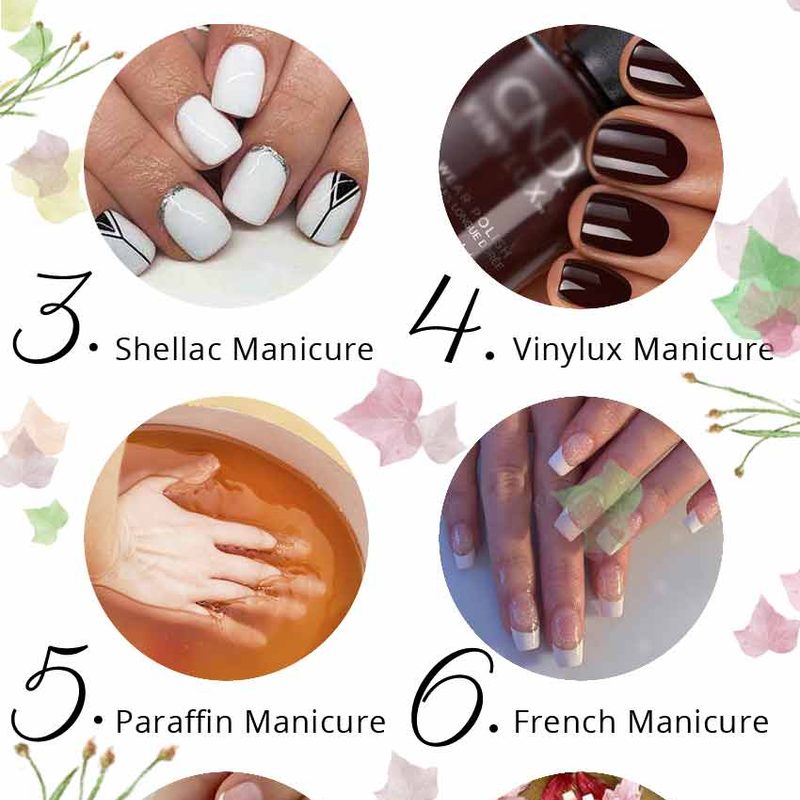
For long-term results, consider visiting a professional nail salon for periodic touch-ups or exploring top manicure treatments that reinforce nail strength and polish longevity.

Innovative Trends in Paint for Nail Art in 2024
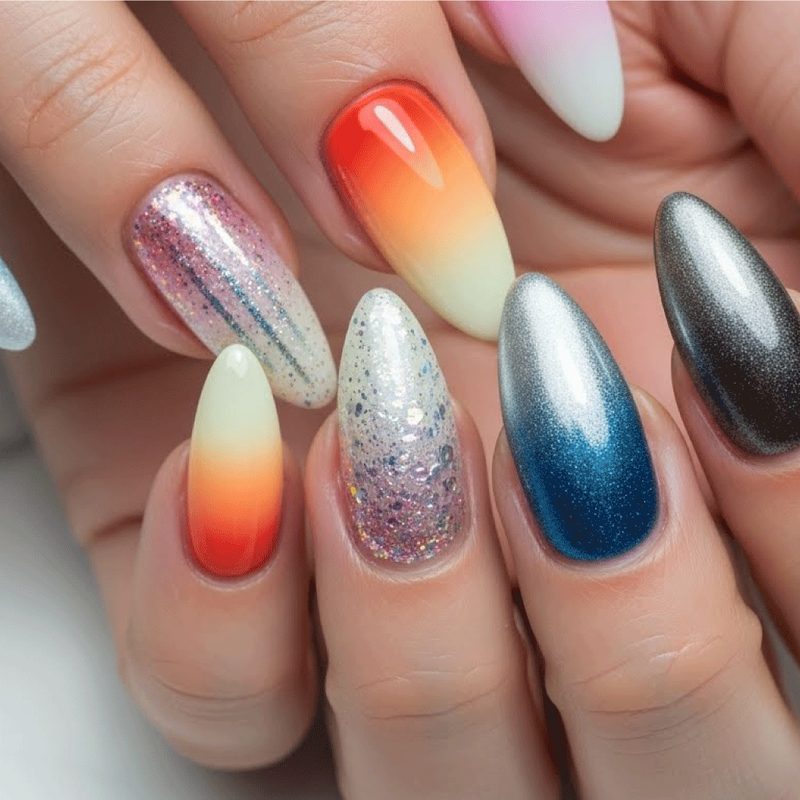
The beauty industry is constantly evolving, and 2024 brings exciting trends in paint for nail art. Metallic and chrome finishes are making a strong comeback, adding a futuristic flair to traditional designs. These paints reflect light in dynamic ways, ideal for bold statement nails.
Another rising trend is the use of gel paint for nail art combined with nail foils to create textured and multidimensional looks. For a detailed look at this technique, see nail foil nail art, which pairs beautifully with various paint bases.
Sustainability also influences choices, with more brands offering non-toxic, vegan, and cruelty-free paints. This shift allows nail artists and clients to prioritize health without sacrificing style.
Paint for Nail Art: Essential Supplies Every Nail Artist Needs
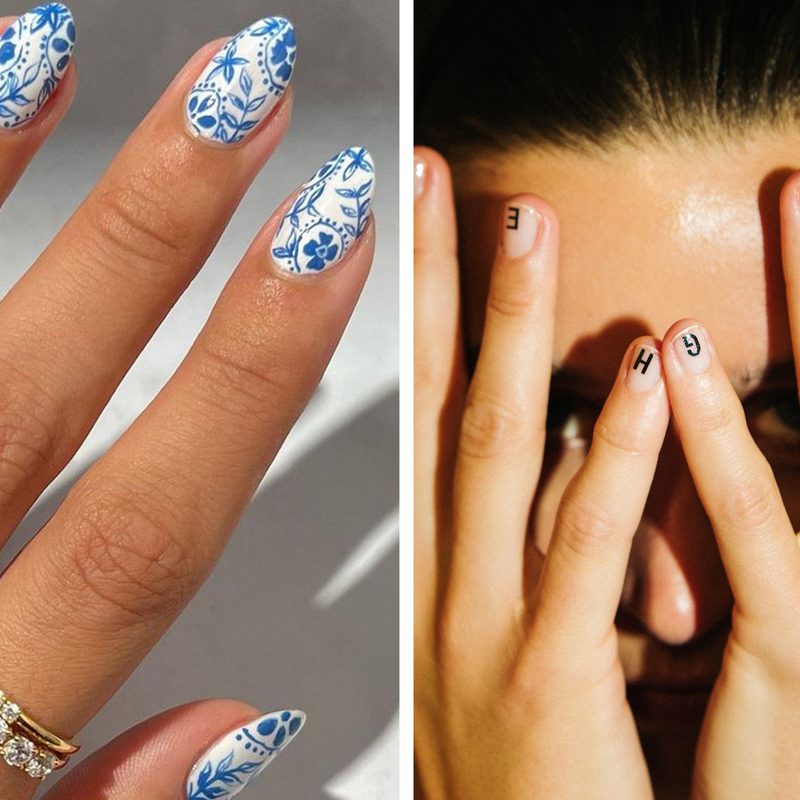
Quality paint is just one part of a complete nail art toolkit. Essential supplies include a range of brushes, from fine liners to flat shaders, that help create diverse patterns and textures. Additionally, nail art pens can provide precision and ease, especially for beginners.
Other must-haves are base and top coats tailored to your chosen paint type, ensuring adhesion and durability. Many professionals swear by silicone nail art tools to achieve precise dots and swirls, which you can learn more about in the guide to silicone nail art tools.
Finally, a well-organized workspace with good lighting and proper nail prep supplies will streamline your creative process and help maintain high standards.
Frequently Asked Questions
What is the difference between acrylic paint and gel paint for nail art?
Acrylic paint is water-based, quick-drying, and easy to use, making it ideal for beginners and detailed designs. Gel paint requires curing under UV or LED light, offering longer wear and a glossy finish. Gel paint is more durable but needs specific tools and a curing process.
Can I use regular acrylic paint on nails for art?
While regular acrylic paint can be used for nail art, it’s not formulated for nails and may chip quickly. Specially designed acrylic nail paints are safer and more durable. Always seal any painted design with a quality top coat to protect the artwork.
How do I make my nail art paint last longer?
To extend the life of your nail art paint, start with clean nails and apply a base coat. Use thin layers of paint, allow each to dry fully, and finish with a top coat. Avoid harsh chemicals and wear gloves during chores to protect your manicure.
Is gel paint for nail art safe for natural nails?
Gel paint is safe for natural nails when applied and removed properly. It requires curing with UV/LED lamps, which is generally safe when used as directed. Avoid peeling off gel paint to prevent nail damage.
Where can I find professional paint for nail art products?
Professional paint for nail art products are available at beauty supply stores and online. For curated recommendations, check out professional nail art products to elevate your salon or home manicure setup.
Choosing the right paint for nail art is a game-changer for anyone passionate about perfecting their manicure. From selecting the ideal formula to mastering application techniques and aftercare, every step contributes to a lasting, stunning design. Embrace these insights to elevate your nail art creations and enjoy salon-quality results at home or in the studio. Ready to transform your nails? Start experimenting with premium paint for nail art today and unlock your full creative potential.