
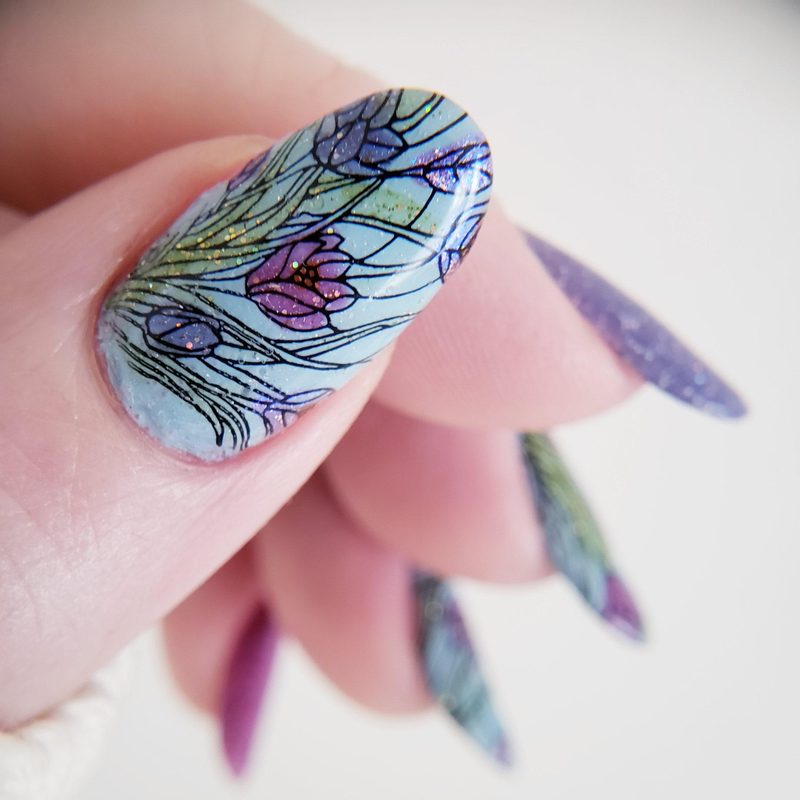
Anyone who has tried to create detailed nail designs quickly realizes that the right tools make all the difference. Thin brush nail art is a game-changer for anyone wanting to achieve delicate, precise lines and sophisticated looks at home or in a salon. Whether you’re a nail artist or a DIY enthusiast, mastering the use of a thin brush can transform simple nails into miniature canvases of creativity. This essential technique unlocks limitless possibilities, from fine stripes to intricate floral patterns, making your manicure truly stand out.
In this guide, we dive deep into the best methods, brush types, and design ideas to help you master thin brush nail art with confidence and flair.
In this article:
Choosing the Right Thin Brush for Nail Art
The foundation of flawless thin brush nail art lies in selecting the perfect brush. Brushes vary in length, stiffness, and shape, each affecting how easily you can draw clean, sharp lines. For detailed work, a brush with synthetic bristles often offers better control and durability. Additionally, the size matters — brushes labeled as size 0 or 00 are typically preferred for ultra-fine designs.
It’s also important to consider the handle length and thickness, as a comfortable grip reduces hand fatigue during intricate work. Some artists prefer brushes with longer handles for better leverage, while others opt for shorter ones for precision. Trying different brands and styles can help you find your perfect match.
Once you’ve invested in a quality thin brush, proper care is essential. Cleaning your brush immediately after use with brush cleaner or acetone preserves its shape and performance, ensuring your thin brush nail art always looks professional.
Techniques to Perfect Thin Brush Nail Art
Mastering thin brush nail art starts with understanding brush control and paint consistency. Using the right amount of polish or acrylic paint is crucial—too much causes smudges, too little results in uneven lines. Thinning your paint slightly with a medium can help achieve smooth strokes that glide effortlessly.
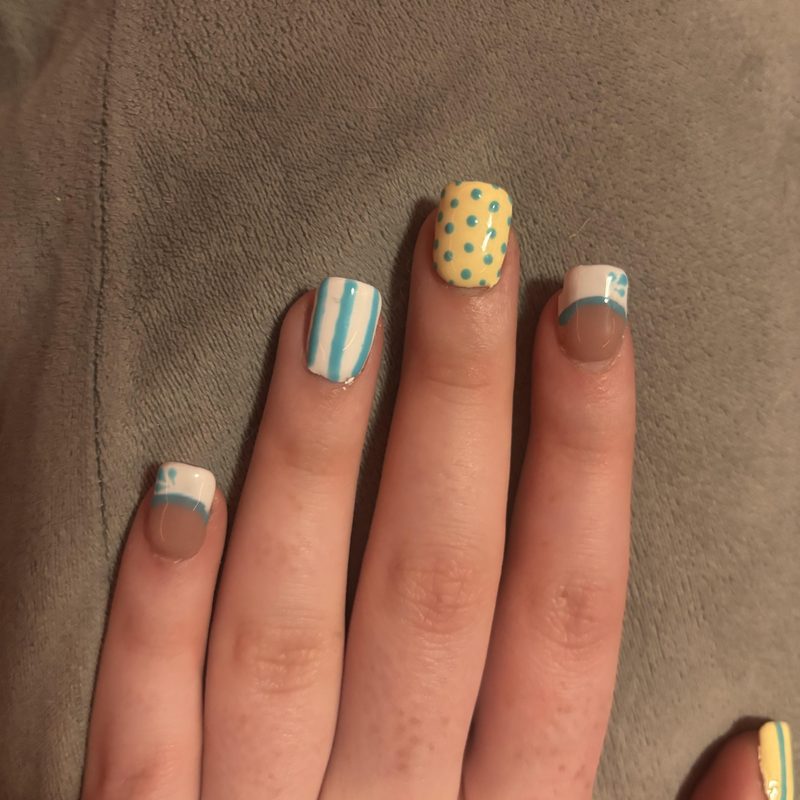
Begin practicing on a nail wheel or plastic sheet to get comfortable with consistent pressure and stroke length. Smooth, steady motions are key to drawing fine lines or delicate patterns such as stripes, dots, or filigree. Rest your painting hand on a stable surface to minimize shaking and enhance precision.
Additionally, layering colors with thin brush strokes adds depth and dimension to your designs. Allow each layer to dry before adding details, and use a quick-dry top coat to seal your work without blurring the art. These techniques can elevate simple manicures into intricate masterpieces.
Inspiring Thin Brush Nail Art Designs to Try
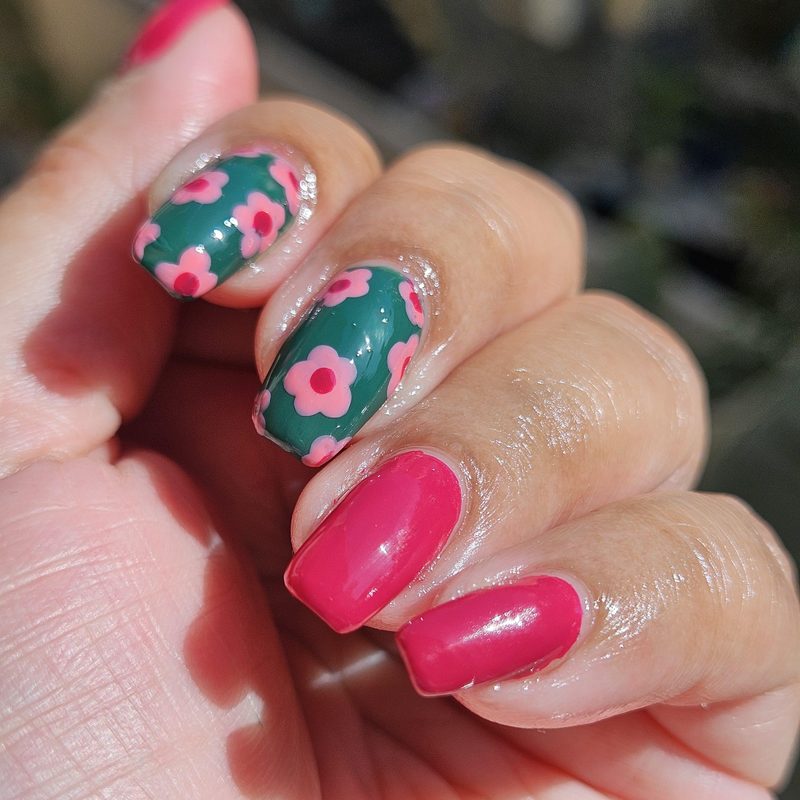
Thin brush nail art opens doors to a variety of elegant and creative designs that suit any occasion. From minimalist geometric shapes to detailed florals, the possibilities are endless. For a modern look, try thin stripes combined with negative space or subtle metallic accents.
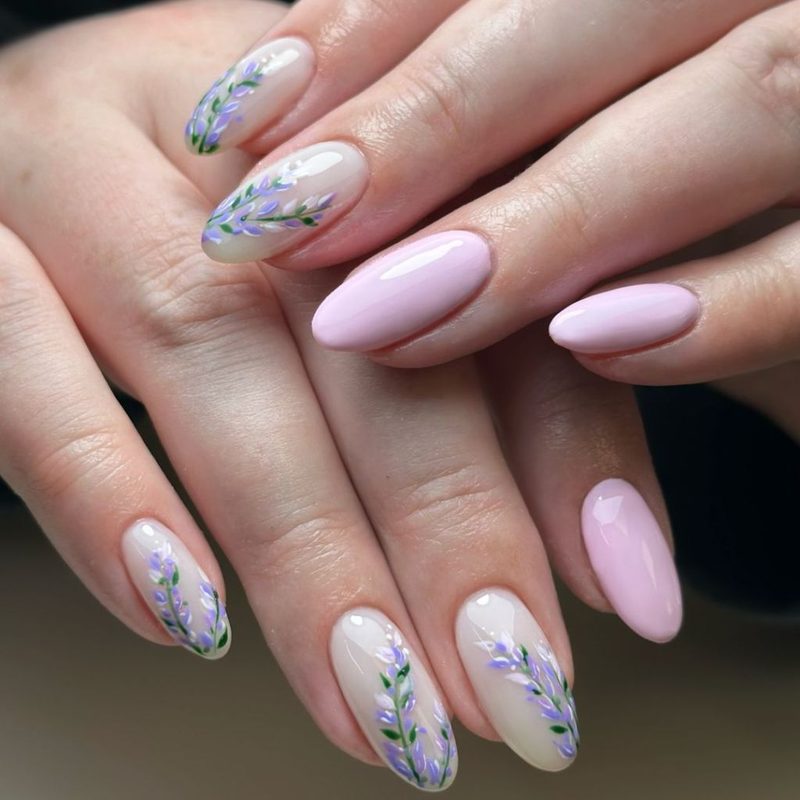
Delicate floral and vine patterns are another favorite that leverage the precision of thin brushes. These designs bring a natural elegance and can be customized with different color palettes to match your style. You can also explore abstract nail art ideas to elevate your manicure with unexpected lines and shapes, offering a unique twist on traditional nail art.
If you’re inspired to enhance your thin brush skills, consider pairing your work with gems or foils to add texture and shine. For more inspiration on intricate and delicate designs, check out our Delicate Nail Art Designs for elegant manicure ideas.
Common Mistakes to Avoid with Thin Brush Nail Art
Even experienced nail artists encounter challenges when working with thin brush nail art. One common mistake is applying too much polish on the brush, causing smudging or pooling on the nail surface. Ensuring the brush is lightly loaded can prevent this issue and help maintain clean lines.
Another frequent problem is shaky lines due to unstable hands or poor posture. To fix this, rest your elbow on a table and hold your hand steady to improve control. Patience is essential, so don’t rush your strokes—slow, deliberate movements yield the best results.
Finally, neglecting to properly prep nails can cause polish to chip or the design to fade quickly. Clean, buffed nails and base coats are critical steps to preserve your thin brush nail art and extend wear time.
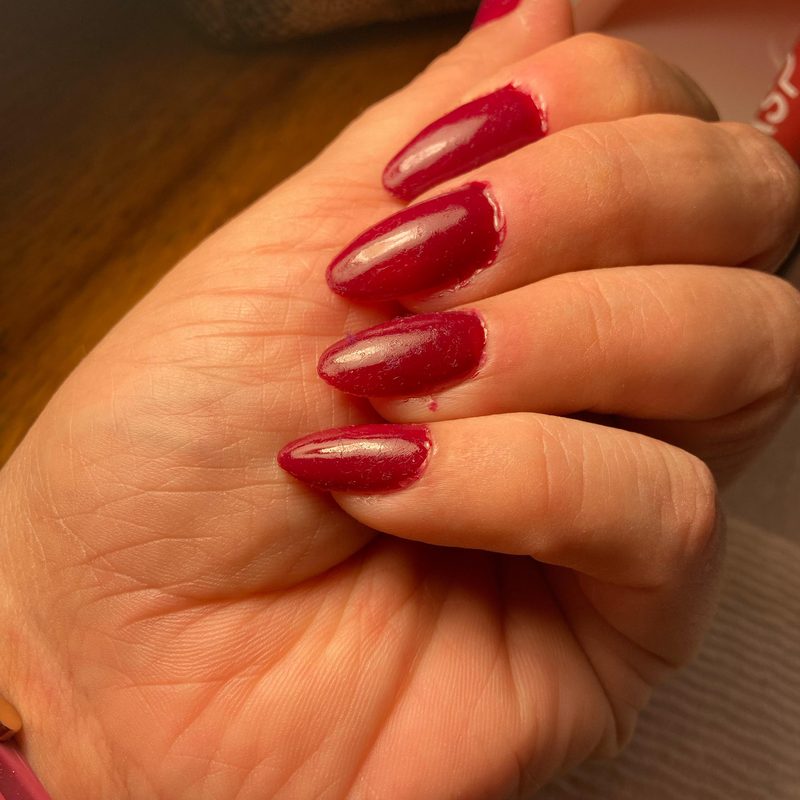
Why Thin Brush Nail Art is Essential for Precision Designs
Thin brush nail art is unmatched when it comes to precision and detail. Unlike wider brushes or stamping techniques, a thin brush gives you complete control over every line and curve, allowing for intricate patterns and sophisticated finishes. This level of detail elevates your manicure beyond basic polish.
For salon professionals, mastering thin brush nail art is a valuable skill that attracts clients seeking custom designs. Likewise, at-home nail enthusiasts can enjoy creating personalized artwork that expresses their style without expensive tools.
Integrating thin brush techniques with other nail art tools like stamps or nail pens can further expand your creative options. For those looking to explore related tools, our article on Creative Designs for Nail Art Pen offers inspiring ideas to complement your thin brush work.
Frequently Asked Questions
What is the best brush size for thin brush nail art?
The best brush size for thin brush nail art is typically size 0 or 00. These brushes have fine, narrow bristles that allow precise lines and intricate details, perfect for delicate designs.
Can I use regular nail polish with a thin brush for nail art?
While regular nail polish can be used with a thin brush, acrylic paints or specially formulated nail art polishes often work better due to their consistency. They offer smoother application and less drying time, which helps achieve cleaner lines.
How do I keep my thin brush clean and in good condition?
Clean your thin brush immediately after use with brush cleaner or acetone to remove polish residue. Avoid soaking the brush for long periods and reshape the bristles while drying to maintain their fine point and longevity.
Is thin brush nail art suitable for beginners?
Yes, thin brush nail art can be learned by beginners with practice. Starting with basic lines and shapes on nail wheels helps build control before moving to more complex designs on nails.
How do I prevent smudging when doing thin brush nail art?
To prevent smudging, use thin layers of polish, allow each layer to dry before adding details, and apply a fast-drying top coat after finishing your design. Keeping a steady hand also plays a crucial role.
Thin brush nail art remains an essential skill for anyone passionate about creating precise, elegant nail designs. From selecting the right brush to mastering techniques, this versatile tool opens up countless creative possibilities. Whether at home or in the salon, embracing thin brush nail art can elevate your manicure game effortlessly. Ready to refine your skills? Explore more detailed inspiration and expert tips to keep your nails looking impeccable.